
5 Ways to Get a Brighter Smile Before the Festive Season
Diwali 2026 falls on Sunday, 8th November — with Dhanteras on 6th November and celebrations running well into the wedding season that follows. For most families in Mumbai, this is the most photographed stretch of the entire year: puja nights, card parties, Bhai Dooj lunches, and a seemingly endless stream of festive reels and family portraits. And yet, every year, people notice the same thing when they look back at those photographs — their smile. Not their outfit, not the decor. Their smile. The good news is that five weeks is enough time to walk into Diwali with a noticeably brighter, more confident smile — if you plan the right sequence of treatments and start now. Here are the five most effective ways to get a brighter smile before the festive season, as recommended by our cosmetic dentistry team in Andheri. Way 1: Start with a Professional Dental Cleaning —…
Are Teeth Whitening Strips and Kits Safe?
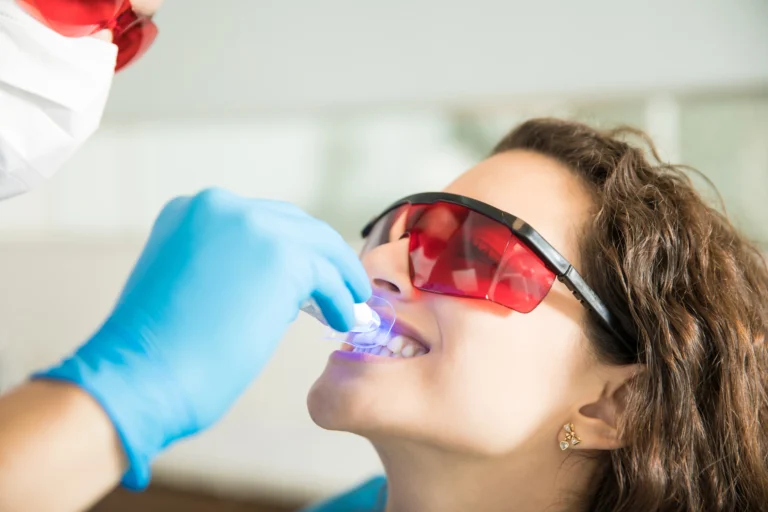
Open Instagram on any given day in Mumbai and you will find at least a handful of influencer posts promoting teeth whitening strips, LED whitening kits, activated charcoal powders, and whitening serums — each one promising a dramatically brighter smile in days, for a fraction of the cost of a dental visit. Some of these products are sold by verified brands. Many are sold by unverified sellers with no clinical backing, no regulatory approval, and no accountability for what happens to your enamel after the purchase. So, are these Instagram whitening strips and kits actually safe? The honest answer is: some are, some aren’t — and the difference matters significantly for your long-term dental health. Here is what every adult in Andheri and Mumbai needs to know before buying a whitening kit online. How Do Teeth Whitening Strips and Kits Actually Work? Most whitening strips and kits — whether purchased…

Wedding Smile Makeover: Dental Treatments to Consider Before Your Big Day
Every wedding in Mumbai involves months of planning — the venue, the outfit, the jewellery, the photography. But there is one detail that ends up in nearly every photograph, every reel, and every memory of the day that often gets left off the checklist entirely: your smile. A wedding smile makeover is not about vanity. It is about making sure that when you look back at your wedding photos twenty years from now, your smile reflects the joy you actually felt — not the insecurity you were hiding. The good news: a dental treatment timeline of just 3–6 months before your wedding date is enough for most brides and grooms in Andheri and Mumbai to achieve a genuinely transformed smile. Here is everything you need to know — treatments, timelines, and costs. Why Your Smile Deserves a Place on Your Wedding Checklist Wedding photographers in Mumbai will tell you the…
Cracked Tooth: Crown vs Root Canal vs Extraction-Which Treatment Do You Need?
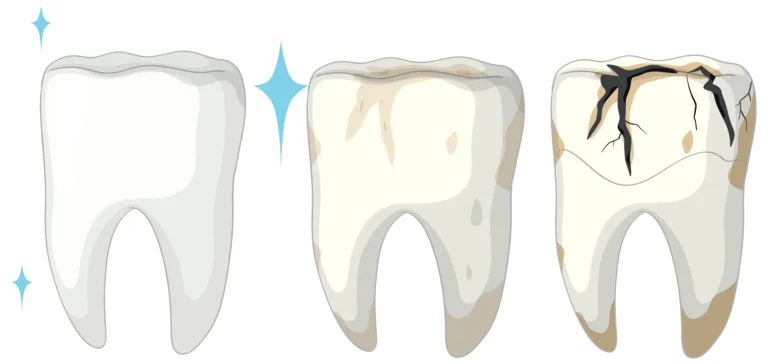
A cracked tooth is one of the most deceptive dental problems an adult can face. Unlike a cavity that shows up on an X-ray, or a broken tooth with an obvious visible fracture, many tooth cracks are invisible — even to a dentist’s naked eye. Yet they cause very real symptoms: sharp pain when biting, sensitivity to temperature, and discomfort that comes and goes without any clear pattern. The most urgent question patients ask us at Kasabwala Dental Clinic in Andheri is: does my cracked tooth need a crown, a root canal, or extraction? The answer depends entirely on how deep the crack goes — and this guide explains exactly how that decision is made. Types of Cracked Teeth: Not All Cracks Are Equal The right treatment for a cracked tooth is determined first by the type and depth of the fracture. Dentists classify tooth cracks into five clinical categories:…
Dental Implant vs Dental Bridge: Which Is Better for a Missing Tooth?
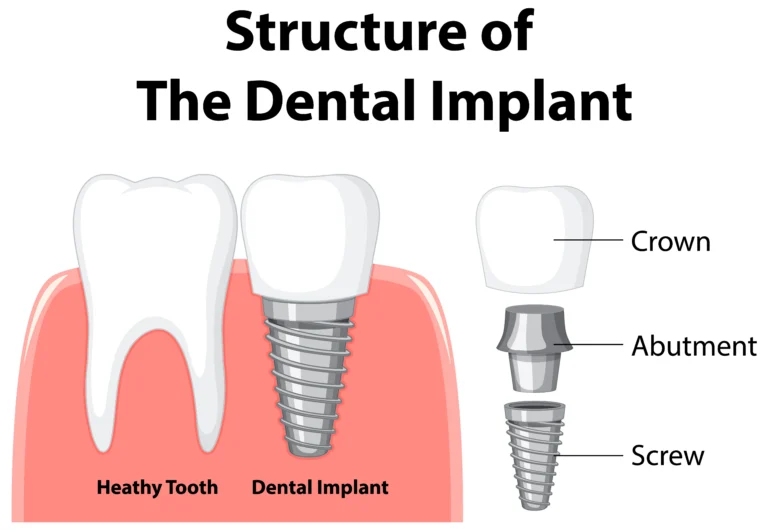
Losing a tooth — whether through decay, trauma, or extraction — sets off a chain of consequences most people don’t anticipate: adjacent teeth shift, the jawbone begins to shrink, bite pressure redistributes unevenly, and the gap that seems purely cosmetic quietly starts affecting your ability to chew and speak. The two most popular fixed solutions to a missing tooth in Mumbai are dental implants and dental bridges. Both restore your smile. Both are permanent. But they work very differently, cost differently, and are suitable for different situations. This guide gives you a clear, honest comparison — so you can make the right choice for your tooth, your budget, and your long-term oral health. What Is a Dental Implant? A dental implant is a titanium post that is surgically placed into the jawbone to replace the root of a missing tooth. Once the implant integrates with the bone — a process…
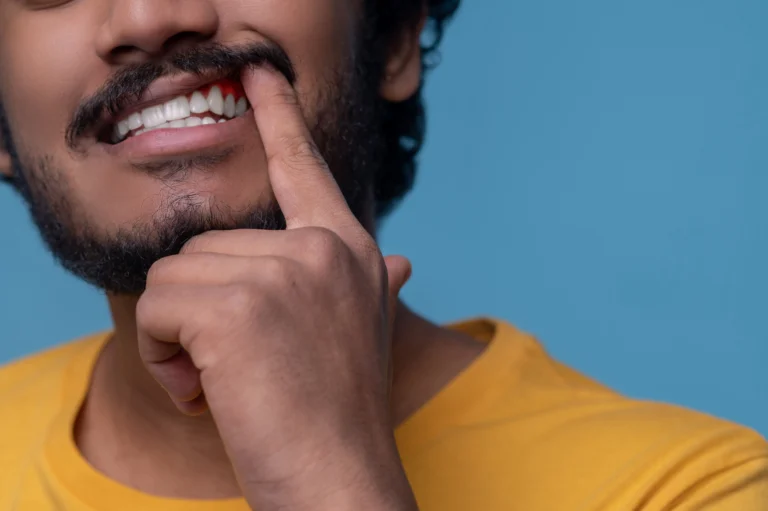
Bleeding Gums While Brushing: Is It Normal or a Sign of Gum Disease?
You spit while brushing and notice a tinge of pink in the sink. Most people shrug it off — ‘it happens sometimes’ — and carry on. But bleeding gums while brushing is one of the most commonly dismissed early warning signs in dentistry, and in most cases, it is your body’s first signal that something is wrong with your gum health. The short answer to whether it is normal: it shouldn’t be. Occasional, very mild bleeding from brushing too hard is one thing. Bleeding that happens regularly, easily, or without provocation is a different matter entirely. This guide explains what’s causing your gums to bleed, when it becomes a sign of gum disease, and what to do about it — whether you’re in Andheri, Mumbai, or anywhere else. Is It Normal for Gums to Bleed When Brushing? Healthy gums do not bleed. They are firm, pale pink, and tightly fitted…
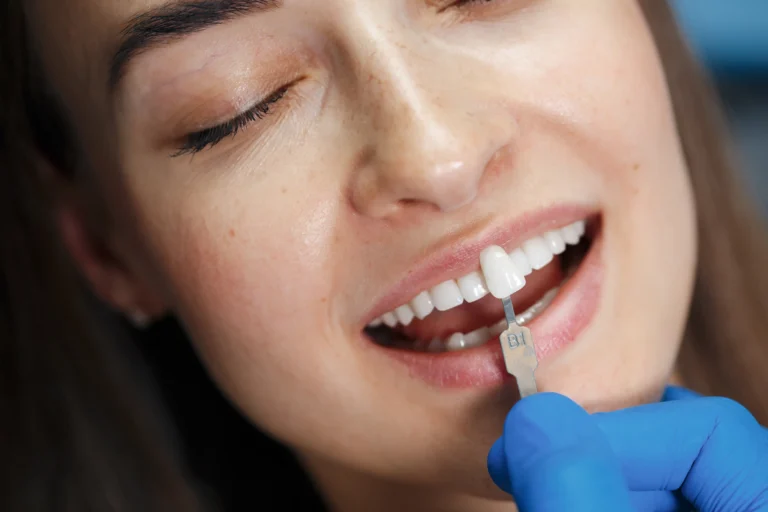
Dental Veneers in Mumbai: Cost, Types & Are They Right for You?
Dental veneers are one of the most searched cosmetic dental treatments in Mumbai — and for good reason. They can transform chipped, stained, gapped, or uneven teeth into a natural-looking, camera-ready smile in as little as two appointments. But with so many types, price points, and opinions online, it can be hard to know where to start. This guide covers everything you need to know about dental veneers in Mumbai in 2026: the types available, what they cost per tooth, how long they last, and — most importantly — whether veneers are actually the right option for you. What Are Dental Veneers? Dental veneers are thin shells — made from porcelain, composite resin, or zirconia — that are bonded to the front surface of your teeth to improve their shape, size, colour, and overall appearance. Think of them as a precision-crafted cover that sits over your existing tooth, correcting its…

What Is Smile Designing? Cost, Process & Real Results
Your smile is often the first thing people notice — and the last thing you should have to feel self-conscious about. If you’ve ever hidden your teeth in photos, avoided smiling in meetings, or felt your confidence take a hit because of chipped, stained, gapped, or uneven teeth, smile designing was built for you. It is the most personalised form of cosmetic dentistry available today, and in 2026, it is far more accessible — and affordable — in Mumbai than most people assume. This guide breaks down exactly what smile designing is, how the process works, what it costs in Andheri and Mumbai, and what real results look like. What Is Smile Designing? Smile designing — also called a smile makeover — is a customised cosmetic dental treatment plan that combines one or more procedures to improve the overall appearance of your smile. Unlike a single treatment (such as teeth…
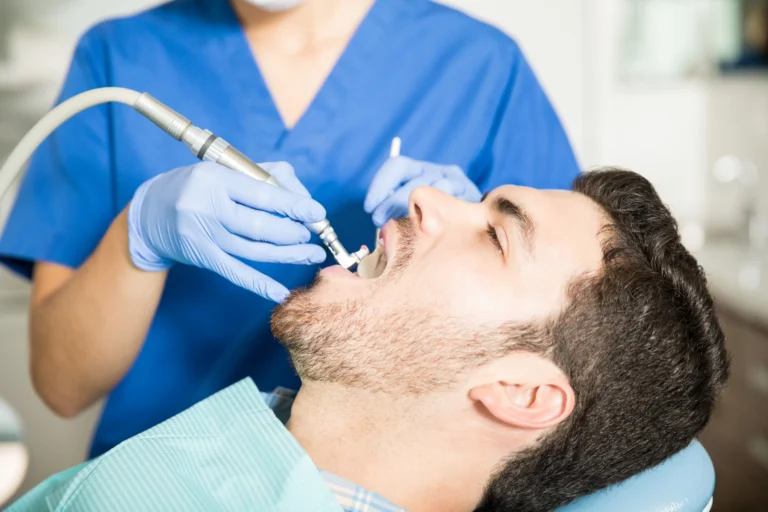
Root Canal Treatment: 7 Signs You May Need One Immediately
Root canal treatment (RCT) is one of the most misunderstood dental procedures in India — and ironically, one of the most necessary. Many patients put it off out of fear, assuming it is painful or unnecessary. But the truth is: modern root canal treatment is virtually painless and is almost always the best way to save a severely infected or damaged tooth. The bigger risk is ignoring the signs. Left untreated, an infected tooth can lead to abscesses, jawbone damage, and tooth loss — problems far more complex and costly to fix. If you are in Andheri or anywhere in Mumbai, here are the 7 signs that mean you should see a dentist for a root canal consultation immediately. What Is Root Canal Treatment (RCT)? Root canal treatment is a dental procedure that removes infected or inflamed pulp — the soft tissue inside your tooth containing nerves, blood vessels, and…
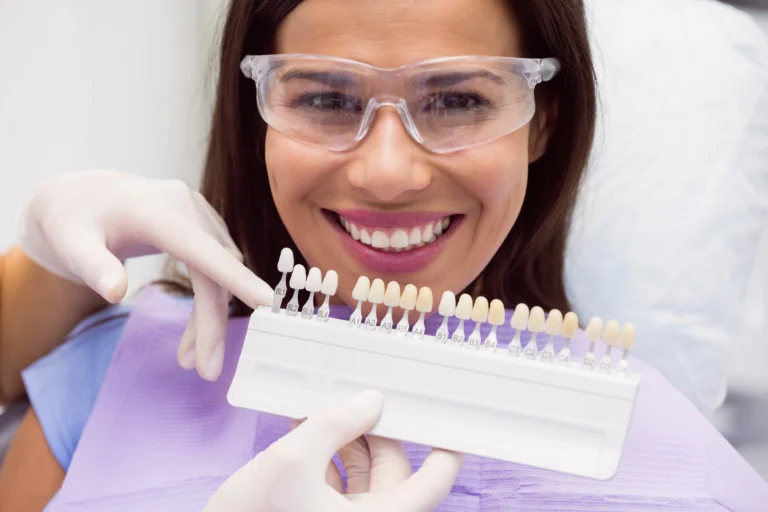
Teeth Whitening Cost in Mumbai: Professional vs At-Home Whitening
A brighter smile is one of the most requested cosmetic upgrades at dental clinics across Mumbai — and for good reason. Whether you’re a working professional in Andheri, a college student in Bandra, or a homemaker in Borivali, teeth whitening is accessible, safe, and delivers visible results faster than most people expect. But the biggest question everyone asks first is: how much does it cost? This guide breaks down teeth whitening costs in Mumbai in 2026 — professional in-clinic treatments vs at-home whitening options — so you can make an informed choice. Why Do Teeth Lose Their Whiteness? Tooth discolouration is one of the most common dental concerns in adults. Before choosing a whitening treatment, it helps to understand why teeth stain in the first place: Tea, coffee, and red wine — the top culprits behind surface staining in Mumbai’s working population Tobacco and cigarette use — causes deep, stubborn…