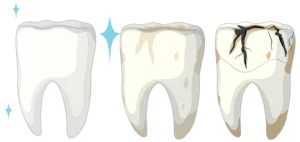

You spit while brushing and notice a tinge of pink in the sink. Most people shrug it off — 'it happens sometimes' — and carry on. But bleeding gums while brushing is one of the most commonly dismissed early warning signs in dentistry, and in most cases, it is your body's first signal that something is wrong with your gum health. The short answer to whether it is normal: it shouldn't be. Occasional, very mild bleeding from brushing too hard is one thing. Bleeding that happens regularly, easily, or without provocation is a different matter entirely. This guide explains what's causing your gums to bleed, when it becomes a sign of gum disease, and what to do about it — whether you're in Andheri, Mumbai, or anywhere else.
Is It Normal for Gums to Bleed When Brushing?
Healthy gums do not bleed. They are firm, pale pink, and tightly fitted around each tooth. Bleeding during brushing — even occasionally — indicates that your gum tissue is inflamed, irritated, or infected. The clinical term for this is gingival bleeding, and it is one of the earliest detectable signs of gingivitis, the mildest form of gum disease. There are two situations where minor bleeding is less concerning:- You have recently started flossing after a long gap — gums that are unused to flossing may bleed temporarily for 5–7 days before adapting
- You are brushing with excessive force using a hard-bristled toothbrush, causing physical trauma to the gum tissue rather than infection
Common Causes of Bleeding Gums
-
Gingivitis — The Most Common Cause
-
Periodontitis — Advanced Gum Disease
-
Brushing Too Hard or Using the Wrong Toothbrush
-
Vitamin Deficiencies
-
Hormonal Changes
-
Medications
-
Systemic Health Conditions
|
Feature |
Gingivitis | Periodontitis |
| Stage | Early gum disease |
Advanced gum disease |
|
Cause |
Plaque and tartar buildup | Untreated gingivitis — infection spreads below gumline |
| Gum Appearance | Red, swollen, bleeds on brushing |
Red, receding, pockets visible between teeth and gums |
|
Pain |
Usually painless | Can cause pain, sensitivity, bad breath |
| Bone Loss | None |
Yes — irreversible jawbone destruction |
|
Tooth Mobility |
No | Yes — teeth loosen and shift in advanced stages |
| Reversible? | Yes — with cleaning + hygiene |
No — damage is permanent; managed, not cured |
|
Treatment Required |
Professional cleaning (scaling) |
Deep cleaning (scaling & root planing), possible surgery |
When Should You See a Dentist for Bleeding Gums?
See a dentist promptly if:- Your gums bleed every time you brush — not just occasionally
- Bleeding persists for more than two weeks despite improved brushing technique
- Your gums are swollen, dark red, or tender to touch
- You have persistent bad breath that doesn't improve with brushing
- You notice your gums pulling away from your teeth (gum recession)
- You see gaps forming between your teeth and gums
- A tooth feels loose or has shifted position
- You experience spontaneous bleeding without any brushing or eating
How to Stop Bleeding Gums: Treatment & Home Care
Professional Treatment- Scaling & polishing (professional cleaning) — removes plaque and tartar from above and below the gumline
- Root planing (deep cleaning) — smooths root surfaces to prevent bacteria from reattaching, used for periodontitis
- Antibacterial mouthwash or local antibiotic therapy — for active infection management
- Periodontal surgery — for advanced periodontitis with significant bone loss (rare, reserved for severe cases)
- Brush twice daily using a soft-bristled toothbrush and fluoride toothpaste — use gentle circular strokes, never scrubbing
- Floss once daily — bleeding will initially worsen slightly if gums are inflamed, then improve within 5–7 days
- Use an antiseptic mouthwash — chlorhexidine-based rinses are clinically proven to reduce gingivitis
- Rinse with warm salt water — reduces gum inflammation naturally and promotes healing
- Stop smoking or using tobacco — tobacco use significantly worsens gum disease and impairs healing
- Manage blood sugar if diabetic — uncontrolled diabetes dramatically accelerates gum disease progression
- Attend dental checkups every 6 months — the most important prevention step of all
Frequently Asked Questions (FAQs)
Q1. Is bleeding gums while brushing normal?
No. Healthy gums do not bleed. Occasional bleeding from brushing too hard may resolve in 1–2 weeks, but regular bleeding is a sign of gingivitis or gum disease and needs dental attention.Q2. What causes bleeding gums?
The most common cause is gingivitis (early gum disease) from plaque buildup. Other causes include brushing too hard, vitamin C or K deficiency, hormonal changes, certain medications, and systemic conditions like diabetes.Q3. Can bleeding gums heal on their own?
Early gingivitis can reverse with improved brushing, flossing, and a professional cleaning. However, it won't resolve on its own without action — and advanced gum disease (periodontitis) causes permanent damage.Q4. How do I stop my gums from bleeding?
Brush twice daily with a soft brush, floss daily, use antiseptic mouthwash, and book a professional dental cleaning. Bleeding should reduce significantly within 2–3 weeks of consistent care.Q5. What is the difference between gingivitis and periodontitis?
Gingivitis is early gum disease — reversible, no bone loss. Periodontitis is advanced gum disease — causes irreversible bone destruction, gum recession, and tooth loss if untreated.Q6. Can bleeding gums be a sign of something serious?
Yes. Spontaneous bleeding gums (without brushing) can indicate systemic conditions including diabetes, blood clotting disorders, anaemia, or leukaemia. Always consult a dentist and doctor if bleeding is unprovoked.Q7. Where can I get gum disease treatment in Andheri, Mumbai?
Kasabwala Dental Clinic in Andheri offers comprehensive gum disease assessments, professional scaling, and periodontal treatment. Book at kasabwaladental.com/contact-us/.Conclusion
Bleeding gums are never 'just one of those things.' They are your gums telling you — clearly and early — that something is wrong. The encouraging part is that when caught at the gingivitis stage, gum disease is completely reversible. A single professional cleaning at a dental clinic in Andheri, combined with better home care, is often all it takes to restore full gum health. Wait too long, and the damage becomes permanent. If your gums have been bleeding while brushing, even occasionally, the right time to act is now — not after the pain starts.References & Citations
- Indian Dental Association — Gum & Periodontal Diseases — Bleeding gums are the number one symptom of gingivitis caused by plaque and bacterial buildup. Untreated gum disease can raise risk of digestive disorders, respiratory problems, heart attack, stroke, diabetes, and pancreatic cancer. https://www.ida.org.in/Public/Details/GumDisease
- Cleveland Clinic — Bleeding Gums: Causes & Treatment (Nov 2025) — Bleeding gums are the most common symptom of gum disease; left untreated, gum disease erodes tissue, ligaments, and bone, leading to tooth loss. https://my.clevelandclinic.org/health/symptoms/24908-bleeding-gums
- Metropolis India — Bleeding Gums: Causes, Symptoms & Treatment (June 2026) — Bleeding gums indicate inflamed tissue; chronic bleeding linked to gum disease; spontaneous bleeding may indicate systemic conditions including diabetes and blood disorders. https://www.metropolisindia.com/blog/preventive-healthcare/bleeding-gums
- Yashoda Hospitals — Bleeding Gums Symptoms & Treatment (Feb 2026) — Gingivitis causes red, swollen gums that bleed easily; advances to periodontitis if untreated, causing deeper gum inflammation and bone damage. https://www.yashodahospitals.com/symptoms/bleeding-gums/
- Onmanorama Health — Bleeding Gums & Systemic Disease (March 2026) — Dr N Manoj, former president of the IDA, Malabar: 'Symptoms of many systemic diseases often appear first in the mouth.' Bleeding gums can indicate anaemia, diabetes, Vitamin C/K deficiency, kidney disease, and dengue fever. https://www.onmanorama.com/health/healthcare/2026/03/15/bleeding-gums-symptoms-diseases.html