Bruxism (Teeth Grinding): Treatment & Causes
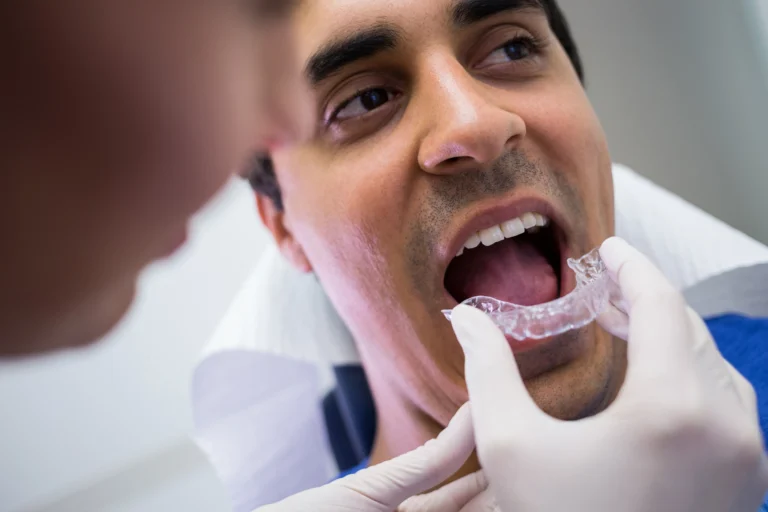
Do you often wake up with jaw pain, headaches, or sensitive teeth? You might be experiencing bruxism, a condition commonly known as teeth grinding. While occasional grinding may not seem serious, persistent bruxism can damage your teeth, strain your jaw muscles, and affect your overall oral health. At Dr Kasabwala Dental Speciality Clinic, we frequently treat patients struggling with bruxism and its complications. Understanding the causes, symptoms, and available bruxism treatment options can help you protect your smile and prevent long-term damage. What Is Bruxism? Bruxism is a condition where a person unconsciously clenches or grinds their teeth. It can happen during the day (awake bruxism) or at night (sleep bruxism). Many people are unaware they have bruxism until symptoms such as worn teeth or jaw pain appear. Teeth grinding during sleep is particularly concerning because it can continue for hours without the person realizing it. Over time, this constant…
Dental Braces: Everything You Need to Know
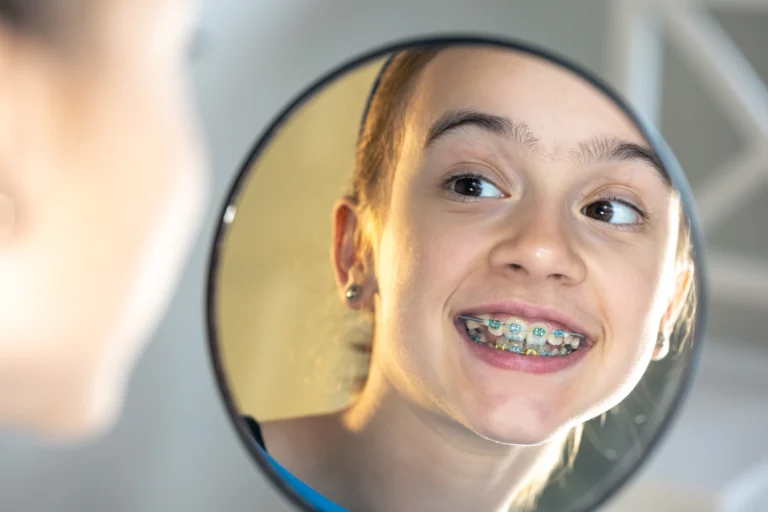
A confident smile plays a big role in how we feel about ourselves, but misaligned teeth or bite issues can affect both appearance and oral health. This is where Dental braces come in. They are one of the most trusted solutions in dentistry to correct crooked teeth, gaps, and jaw alignment problems. If you or your child are considering orthodontic care, understanding how Braces work, who needs them, and what the journey looks like can help you make an informed decision with confidence. What Are Dental Braces? Dental braces are orthodontic devices designed to gradually move teeth into their correct position. They apply gentle, controlled pressure over time to align teeth and improve bite function. While many people associate Braces with teenagers, they are equally effective for adults seeking long-term oral health and aesthetic improvement. Beyond straightening teeth, Braces help reduce the risk of tooth decay, gum disease, jaw pain,…

What Is Cosmetic Dentistry?
A healthy smile plays a powerful role in how we feel about ourselves and how we are perceived by others. From social interactions to professional confidence, the appearance of your teeth can make a lasting impression. This is where cosmetic dentistry comes in. It focuses on improving the look of your teeth, gums, and overall smile while still respecting oral health and function. Modern cosmetic dental treatments are designed to be safe, effective, and minimally invasive, making smile enhancement more accessible than ever before. Cosmetic dentistry is not just about aesthetics. For many patients, it helps restore confidence after years of hiding their smile due to discoloration, chipped teeth, or uneven spacing. At a trusted cosmetic dental clinic, these concerns are addressed with empathy, precision, and personalized care plans that suit individual needs and lifestyles. Understanding Cosmetic Dentistry Cosmetic dentistry refers to dental procedures that enhance the appearance of your…
New Year, New Smile: Oral Health Goals for 2026
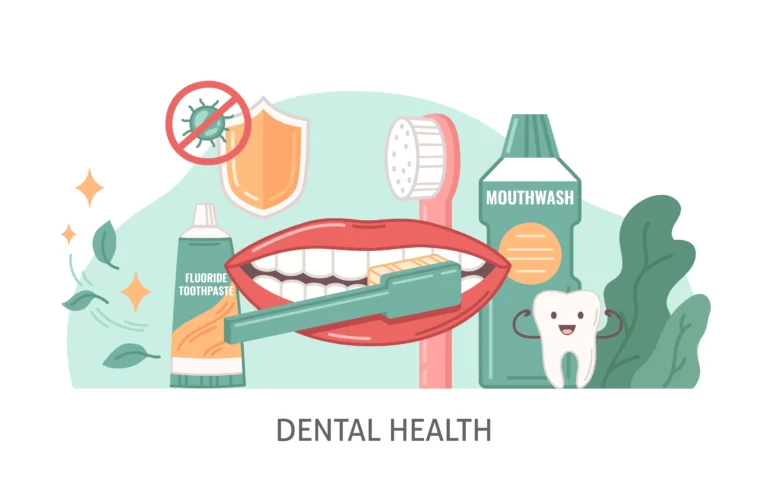
As we step into 2026, many of us set resolutions focused on fitness, nutrition, or mental well-being. However, one important area that often gets overlooked is oral health. Your mouth plays a vital role in overall wellness, confidence, and daily comfort. A healthy smile not only enhances your appearance but also protects you from pain, infections, and long-term health complications. The New Year is the perfect time to reflect on your dental habits and set achievable goals that support lifelong oral health and hygiene. Whether you are dealing with cavities, gum issues, or simply want a brighter smile, small consistent changes can make a big difference. Why Oral Health Should Be a Priority in 2026 Oral health is closely linked to overall physical health. Poor dental care can lead to issues such as gum disease, tooth loss, bad breath, and even systemic problems like heart disease and diabetes. Maintaining good…

5 Essential Oral Health Tips for Winter
Winter brings cooler temperatures, festive treats, and cozy routines—but it can also quietly affect your dental well-being. Dry air, reduced water intake, and changes in diet often impact oral comfort during colder months. Many people notice increased tooth sensitivity, dry mouth, or gum irritation in winter, making it important to be proactive about oral health during this season. With the right habits and awareness, you can protect your smile all winter long. Below are five essential oral health tips to help you maintain strong teeth and healthy gums even when temperatures drop. Understanding How Winter Affects Oral Health Cold weather can reduce saliva production, especially when you breathe through your mouth due to congestion or sinus issues. Saliva plays a vital role in washing away bacteria and neutralizing acids. When saliva flow decreases, the risk of cavities and bad breath increases. Seasonal indulgences like sugary drinks, chocolates, and hot beverages…
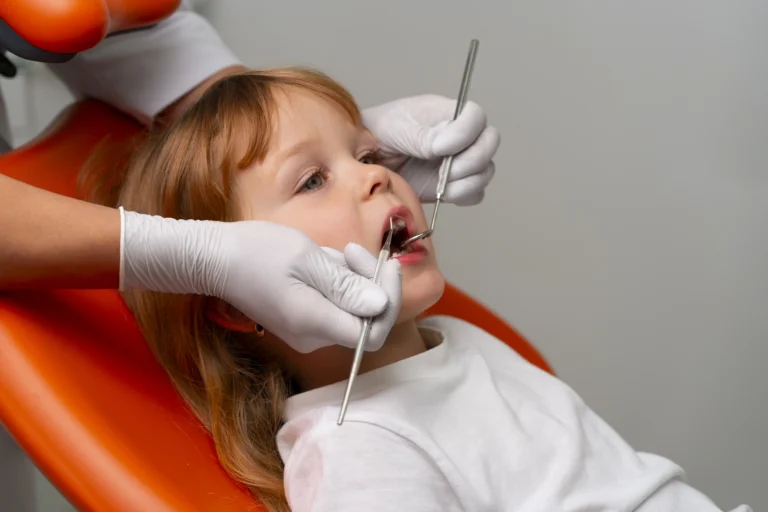
Dental Cavities in Kids: Causes & treatments
Children’s smiles light up our world—but keeping those smiles healthy takes a bit of care. One of the most common dental problems among children is a dental cavity, also known as tooth decay. While cavities may seem minor at first, if left untreated, they can lead to pain, infection, and even long-term damage to a child’s teeth. The good news? With the right understanding and timely care, dental cavities are completely preventable and treatable. Understanding What a Dental Cavity Is A dental cavity forms when the outer layer of the tooth, called enamel, gets damaged due to acid-producing bacteria. These bacteria feed on sugars and starches from food, creating acids that gradually erode tooth enamel. Over time, this process creates tiny holes or cavities in the teeth. Children are especially prone to cavities because their enamel is thinner and they may not have mastered proper brushing and flossing yet. Identifying…

Manual vs. Electric Toothbrush: Which Cleans Better?
Maintaining good oral hygiene is essential not only for a bright smile but also for your overall health. One of the most common questions people have during their dental visits is—“Which is better, electric toothbrush or manual?” While both types can effectively clean your teeth when used correctly, their efficiency, ease of use, and results often differ. Let’s take a closer look at the electric toothbrush vs manual debate and find out which one truly comes out on top. Understanding the Basics A manual toothbrush is the traditional tool we’ve all grown up using. It’s simple, affordable, and requires no batteries or charging. On the other hand, an Electric Toothbrush operates with motorized bristles that oscillate, rotate, or vibrate to remove plaque more efficiently. While both can help maintain oral hygiene, the effectiveness of each depends on brushing technique, consistency, and individual dental needs. Benefits of Electric Toothbrush There’s been…

Wisdom Teeth: 5 Signs It’s Time for a Safe Surgical Removal
Understanding the Importance of Wisdom Teeth Care Wisdom teeth are the final set of molars that typically emerge between the ages of 17 and 25. While some people experience no issues, many find that these teeth cause discomfort, misalignment, or even infection. The position and growth pattern of wisdom teeth often make them difficult to clean, increasing the risk of decay or gum problems. Recognizing the warning signs early and seeking timely professional care can prevent complications and protect your overall oral health. In many cases, dentists recommend wisdom teeth removal to maintain proper dental alignment and prevent long-term problems. What Are Wisdom Teeth and Why They Cause Problems Wisdom teeth, also known as third molars, are evolutionary remnants from a time when humans had larger jaws and needed extra molars for grinding raw, coarse foods. Today, most people’s jaws are smaller, leaving limited space for these additional teeth to…
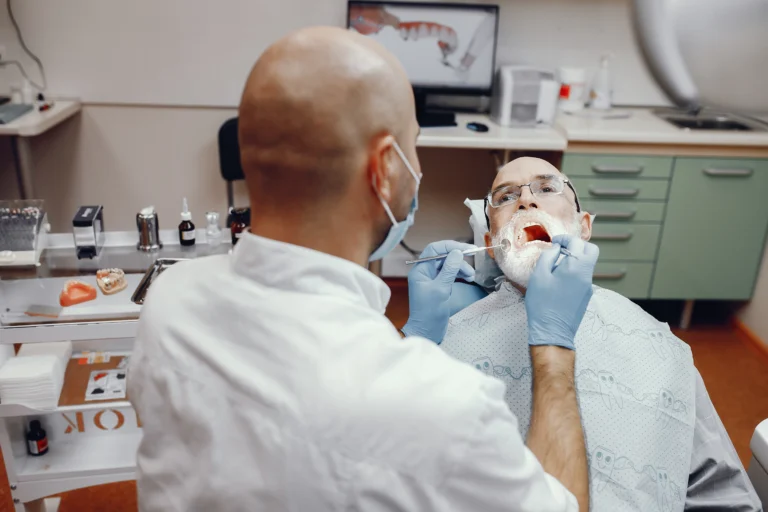
Oral Cancer: Why Early Detection Matters & Common Risk Factors
Oral cancer is a serious yet often overlooked health concern that affects thousands of people every year. When detected early, it can be treated effectively, leading to better recovery and survival rates. Unfortunately, many patients seek care only when the condition has advanced, making oral cancer treatment more complex. Early diagnosis not only improves outcomes but can also prevent long-term complications that affect one’s ability to eat, speak, and live comfortably. Understanding the warning signs, oral cancer causes, and oral cancer risk factors can empower individuals to take timely action and seek professional help. Understanding Oral Cancer: What It Is and How It Develops Oral cancer refers to cancer that develops in the tissues of the mouth, including the lips, tongue, gums, inner cheeks, and the roof or floor of the mouth. Like most cancers, oral cancer begins when cells in these areas undergo abnormal changes and start growing uncontrollably.…
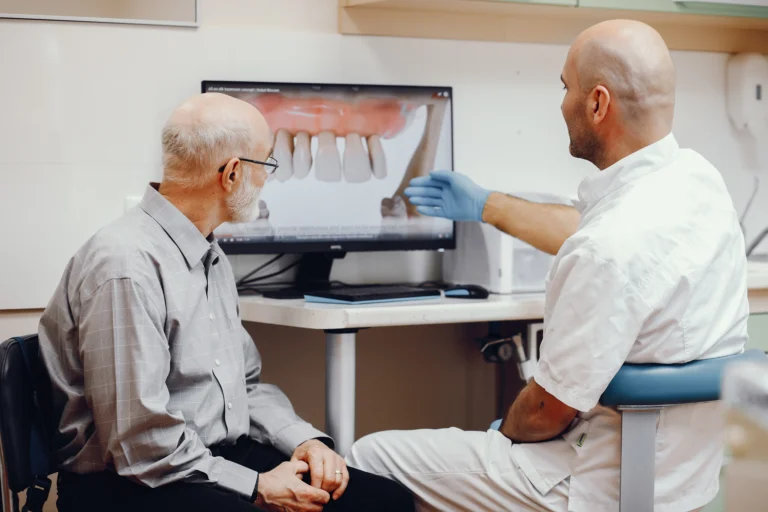
The Full Dental Implant Journey: From Consultation to Care
If you’ve been struggling with missing teeth or uncomfortable dentures, a dental implant may be the solution you’ve been searching for. Known for their durability and natural look, implants have transformed smiles and boosted confidence for millions of patients worldwide. But what does the journey to getting implants look like? Let’s break it down step by step from consultation to long-term care. What Are Dental Implants? A dental implant is an artificial tooth root made of titanium that is surgically placed into your jawbone. Once healed, it acts as a strong foundation for a crown, bridge, or even full dentures. Unlike removable dentures, implants are permanent, stable, and function just like natural teeth. Step 1: The Initial Consultation Your journey begins with a consultation with your dentist or implant specialist. During this visit: Your oral health and bone density will be evaluated. Digital scans or X-rays may be taken. A…