
Oral cancer is a serious yet often overlooked health concern that affects thousands of people every year. When detected early, it can be treated effectively, leading to better recovery and survival rates. Unfortunately, many patients seek care only when the condition has advanced, making oral cancer treatment more complex. Early diagnosis not only improves outcomes but can also prevent long-term complications that affect one’s ability to eat, speak, and live comfortably. Understanding the warning signs, oral cancer causes, and oral cancer risk factors can empower individuals to take timely action and seek professional help.
Understanding Oral Cancer: What It Is and How It Develops
Oral cancer refers to cancer that develops in the tissues of the mouth, including the lips, tongue, gums, inner cheeks, and the roof or floor of the mouth. Like most cancers, oral cancer begins when cells in these areas undergo abnormal changes and start growing uncontrollably. If not detected in time, these cancerous cells can spread to nearby regions such as the throat, lymph nodes, or even distant organs. The most common types include squamous cell carcinoma, which accounts for the majority of oral cancer cases. Dentists and oral health professionals play a vital role in identifying early lesions or abnormalities during regular check-ups.Oral Cancer Causes and Oral Cancer Risk Factors
Several lifestyle and environmental factors contribute to the development of oral cancer. Understanding these oral cancer causes and oral cancer risk factors can help you take preventive steps.- Tobacco Use: Smoking cigarettes, cigars, or pipes—and even chewing tobacco—is one of the leading oral cancer causes. The harmful chemicals in tobacco can damage cells in the mouth and lead to malignant changes.
- Excessive Alcohol Consumption: Heavy drinking is another major contributor to oral cancer. When combined with smoking, the risk increases significantly.
- Human Papillomavirus (HPV) Infection: Certain strains of HPV, particularly HPV-16, are linked to oral and throat cancers.
- Poor Oral Hygiene: Chronic irritation from rough teeth, ill-fitting dentures, or untreated infections can also play a role.
- Prolonged Sun Exposure: People who spend long hours outdoors without lip protection are at a higher risk of lip cancer.
- Family History and Genetic Factors: A family history of cancer can increase susceptibility.
Common Oral Cancer Symptoms to Look Out For
Early detection often depends on identifying subtle but significant oral cancer symptoms. These signs may appear harmless at first, but persistent issues should always be evaluated by a dentist or oral specialist. Some of the most common oral cancer symptoms include:- Sores or ulcers in the mouth that do not heal within two weeks.
- Red or white patches on the tongue, gums, or inner cheeks.
- Persistent pain or discomfort in the mouth or throat.
- Difficulty chewing, swallowing, or speaking.
- Unexplained bleeding or numbness in the mouth.
- Changes in the voice or persistent hoarseness.
- Swelling or lumps in the neck or jaw area.
The Importance of Timely Diagnosis and Oral Cancer Treatment Options
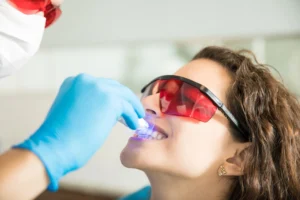
The success of oral cancer treatment largely depends on how early the condition is diagnosed. Regular dental check-ups can be life-saving, as dentists can often detect precancerous changes that are invisible to the untrained eye.- Early-Stage Treatment: If diagnosed early, oral cancer treatment may involve minor surgery to remove the affected tissue before it spreads.
- Advanced Treatment Options: For more developed cases, a combination of surgery, radiation therapy, and chemotherapy may be recommended. Advances in medical technology now allow for more precise treatments that minimize side effects and improve recovery times.
- Rehabilitation and Support: After oral cancer treatment, rehabilitation may include speech therapy, dental reconstruction, and nutritional counseling to restore comfort and confidence.
Prevention and Lifestyle Tips to Reduce Risk
While not all cases are preventable, there are several lifestyle changes that can significantly lower your risk of developing oral cancer.- Quit Tobacco: Avoid all forms of tobacco—smoked or chewed—to drastically reduce your risk.
- Limit Alcohol Intake: Drink responsibly and in moderation.
- Practice Good Oral Hygiene: Regular brushing, flossing, and dental check-ups are essential for early detection.
- Protect Your Lips: Use a lip balm with SPF when outdoors.
- Eat a Balanced Diet: Include fruits and vegetables rich in antioxidants to strengthen your immune system.
- Get Vaccinated Against HPV: The HPV vaccine helps prevent virus strains linked to oral and throat cancers.