A confident smile plays a big role in how we feel about ourselves, but misaligned teeth or bite issues can affect both appearance and oral health. This is where Dental braces come in. They are one of the most trusted solutions in dentistry to correct crooked teeth, gaps, and jaw alignment problems. If you or your child are considering orthodontic care, understanding how Braces work, who needs them, and what the journey looks like can help you make an informed decision with confidence.
What Are Dental Braces?
Dental braces are orthodontic devices designed to gradually move teeth into their correct position. They apply gentle, controlled pressure over time to align teeth and improve bite function. While many people associate Braces with teenagers, they are equally effective for adults seeking long-term oral health and aesthetic improvement. Beyond straightening teeth, Braces help reduce the risk of tooth decay, gum disease, jaw pain, and uneven tooth wear. Proper alignment makes daily oral hygiene easier and supports overall dental health.Who Needs Braces?
You may benefit from Braces if you have crowded teeth, noticeable gaps, overbite, underbite, crossbite, or jaw misalignment. Children are often evaluated during early adolescence, but adults can start Braces treatment at any age as long as their gums and teeth are healthy. Many patients hesitate due to concerns about appearance or discomfort, but modern Dental braces are more comfortable and discreet than ever before. Early consultation allows your dentist to recommend the most suitable Braces treatment plan for your needs.Types of Dental Braces
There are several types of Dental braces available today, and the right option depends on your dental condition, lifestyle, and preferences.Traditional braces
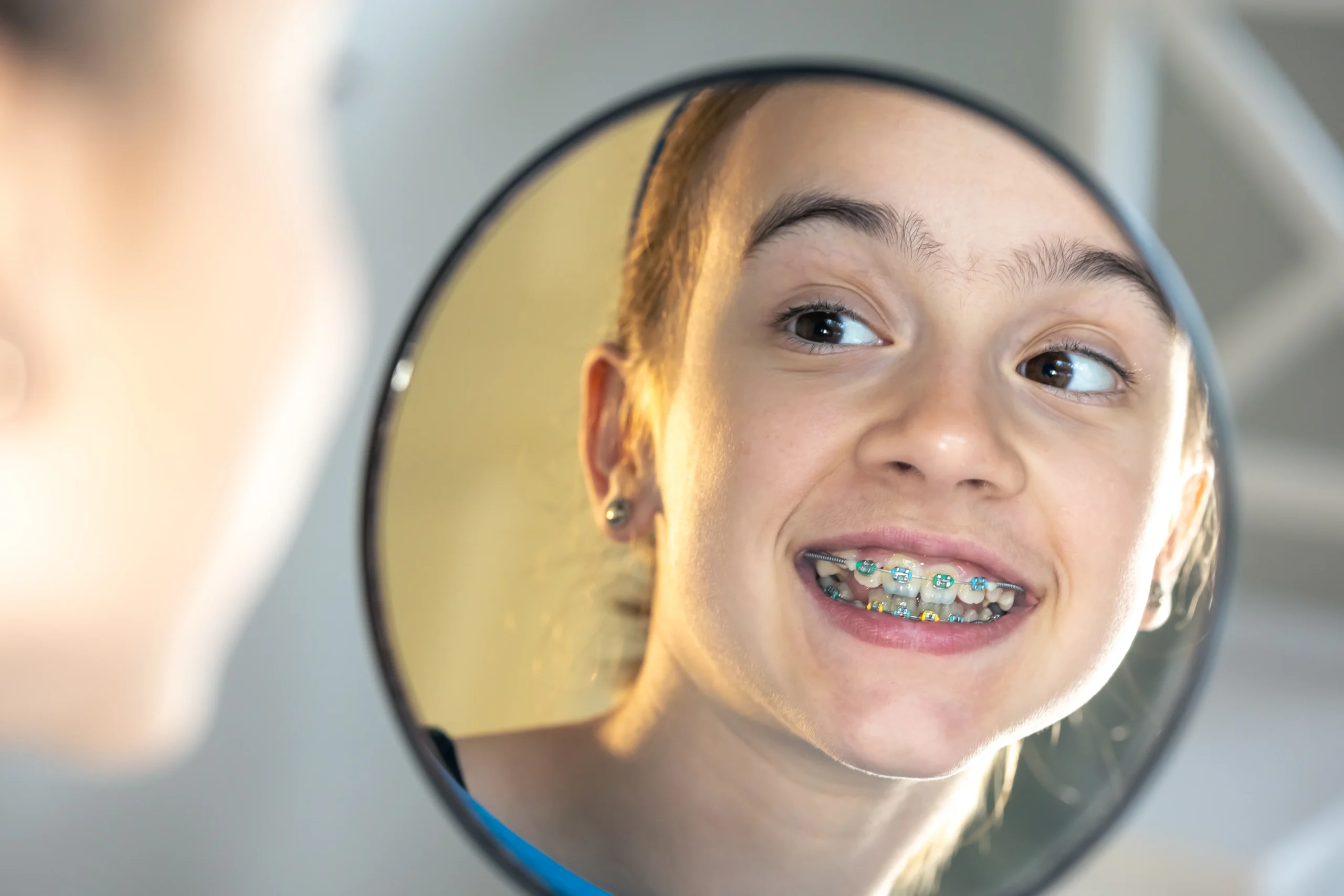
Traditional braces are the most common and widely used option. They consist of metal brackets and wires that are adjusted periodically to guide teeth into place. Despite being highly visible, traditional braces are extremely effective, especially for complex alignment issues.Ceramic braces
These work similarly to traditional braces but use tooth-colored or clear brackets, making them less noticeable.Lingual braces
These are placed on the inner side of the teeth, making them invisible from the front. They require specialized expertise and may take time to adjust to.Clear aligners
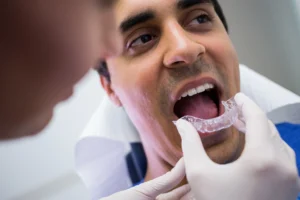
Though not fixed like traditional braces, clear aligners are removable trays that gradually shift teeth. They are suitable for mild to moderate cases and require high patient compliance. Your dentist will assess your case carefully before recommending the most effective Braces treatment for you.What to Expect During Braces Treatment
Braces treatment typically begins with a detailed dental examination, X-rays, and impressions of your teeth. Once the Braces are placed, you will have periodic follow-up visits for adjustments. These visits ensure steady progress and minimize discomfort. Mild soreness is common after adjustments, especially during the initial phase of Braces treatment. This usually settles within a few days and can be managed with simple care measures. Maintaining excellent oral hygiene is crucial throughout the treatment to avoid plaque buildup around Dental braces.How Long Do Braces Take to Work?
The duration of Braces treatment varies depending on the severity of the alignment issue and the type of Dental braces used. On average, treatment lasts between 12 to 24 months. Some minor cases may take less time, while more complex corrections may require longer treatment. Consistency with appointments and following your dentist’s advice can significantly impact the success and duration of Braces treatment.Benefits of Dental Braces
Dental braces do more than enhance your smile. They improve chewing efficiency, speech clarity, and overall oral hygiene. Properly aligned teeth reduce stress on jaw joints and lower the risk of dental complications in the future. For many patients, the confidence gained after completing Braces is just as valuable as the health benefits. A well-aligned smile often leads to better self-esteem and social comfort.Life After Braces
Once Braces are removed, retainers are usually recommended to maintain the new alignment. Teeth can shift back if retainers are not worn as advised. This post-treatment phase is essential for preserving the results of your Braces treatment. With good oral hygiene and regular dental check-ups, the results of Dental braces can last a lifetime.Frequently Asked Questions
-
Are Braces painful?
You may feel mild discomfort when Braces are first placed or adjusted, but it usually subsides within a few days. -
What foods should I avoid with Dental braces?
Hard, sticky, and sugary foods should be limited to prevent damage to Braces and reduce the risk of cavities. -
How often will I need dental visits during Braces treatment?
Most patients visit their dentist every 4 to 6 weeks for adjustments and monitoring. -
Can adults get Braces?
Yes, Braces are effective at any age if oral health conditions are suitable. -
How do I clean my teeth with Braces?
Brushing after every meal, flossing carefully, and using interdental brushes help maintain oral hygiene. -
Will traditional braces affect my speech?
There may be a short adjustment period, but speech typically returns to normal quickly.