Do you often wake up with jaw pain, headaches, or sensitive teeth? You might be experiencing bruxism, a condition commonly known as teeth grinding. While occasional grinding may not seem serious, persistent bruxism can damage your teeth, strain your jaw muscles, and affect your overall oral health.
At Dr Kasabwala Dental Speciality Clinic, we frequently treat patients struggling with bruxism and its complications. Understanding the causes, symptoms, and available bruxism treatment options can help you protect your smile and prevent long-term damage.
What Is Bruxism?
Bruxism is a condition where a person unconsciously clenches or grinds their teeth. It can happen during the day (awake bruxism) or at night (sleep bruxism). Many people are unaware they have bruxism until symptoms such as worn teeth or jaw pain appear. Teeth grinding during sleep is particularly concerning because it can continue for hours without the person realizing it. Over time, this constant pressure can wear down enamel, cause cracks, and even loosen teeth.Common Bruxism Causes
Understanding bruxism causes is the first step toward effective treatment. Several factors can contribute to this condition:- Stress and anxiety Emotional stress is one of the leading bruxism causes. Many people clench their jaws or grind their teeth as a response to tension, frustration, or worry.
- Sleep disorders Conditions like sleep apnea are closely linked with bruxism. Disturbed sleep patterns can increase the risk of nighttime teeth grinding.
- Misaligned teeth or bite issues Improper alignment of the upper and lower teeth can trigger bruxism. When your bite is not balanced, the jaw muscles may compensate by clenching.
- Lifestyle habits Excessive caffeine, alcohol consumption, and smoking may increase the likelihood of bruxism.
- Certain medications Some antidepressants and other medications are associated with teeth grinding as a side effect.
Symptoms of Teeth Grinding
Teeth grinding can present with a range of symptoms. Some of the most common include:- Jaw pain or stiffness
- Morning headaches
- Worn, flattened, or chipped teeth
- Increased tooth sensitivity
- Earaches without infection
- Clicking or popping sounds in the jaw
- Disturbed sleep
How Is Bruxism Diagnosed?
A dentist can often identify bruxism during a routine dental check-up. Signs such as enamel wear, tooth fractures, and jaw tenderness are common indicators. In some cases, additional evaluation may be needed to determine underlying bruxism causes, especially if sleep-related disorders are suspected. Your dentist may also ask about stress levels, sleep patterns, and lifestyle habits.Bruxism Treatment Options
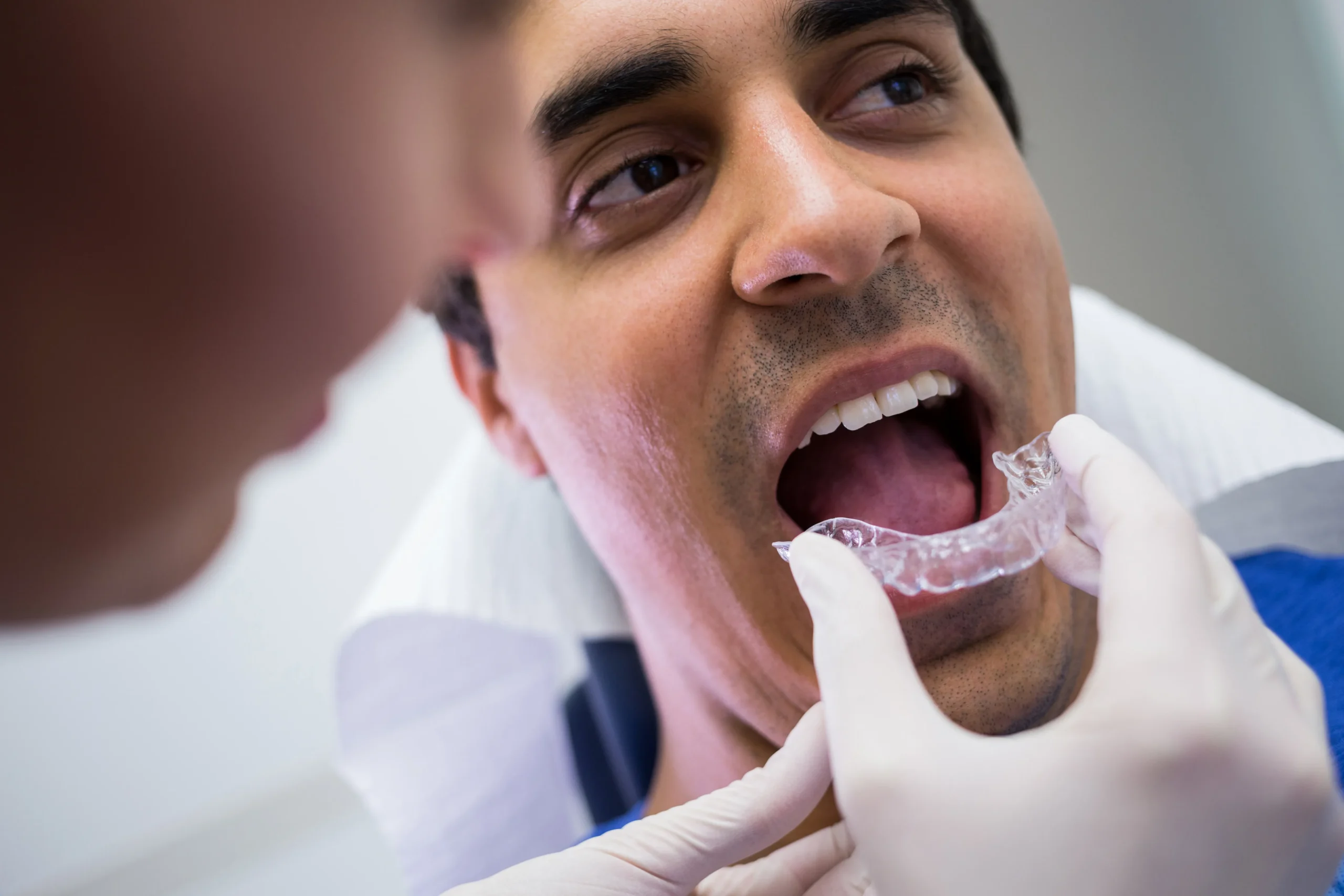
The right bruxism treatment depends on the severity of the condition and its underlying causes. At our clinic, we personalize every bruxism treatment plan to ensure optimal results.- Night Guards Custom-made dental night guards are one of the most effective bruxism treatment solutions. These appliances create a protective barrier between the upper and lower teeth, reducing damage from teeth grinding.
- Stress Management Since stress is a major factor in bruxism causes, relaxation techniques such as meditation, yoga, or counseling can help reduce symptoms.
- Bite Correction If misalignment is contributing to bruxism, orthodontic treatment or dental reshaping may be recommended as part of the bruxism treatment strategy.
- Lifestyle Modifications Reducing caffeine and alcohol intake can significantly decrease episodes of teeth grinding.
- Muscle Relaxation Techniques Jaw exercises and physiotherapy may help relieve muscle tension associated with bruxism.
Complications of Untreated Bruxism
Ignoring bruxism can lead to serious oral health issues, including:- Severe enamel erosion
- Tooth fractures
- Gum recession
- TMJ disorders
- Chronic facial pain
Preventing Teeth Grinding
While not all cases can be prevented, certain measures can help reduce teeth grinding:- Practice stress-relief techniques
- Maintain good sleep hygiene
- Avoid chewing on non-food items like pens
- Schedule regular dental check-ups
- Use a prescribed night guard consistently
When Should You See a Dentist?
If you experience persistent jaw pain, frequent headaches, or notice worn-down teeth, it’s time to consult a dentist. Early diagnosis and bruxism treatment can save you from costly restorative procedures in the future. At Dr Kasabwala Dental Speciality Clinic, we provide comprehensive evaluation and customized solutions to manage bruxism effectively.Frequently Asked Questions (FAQs)
-
Is bruxism dangerous?
Yes, untreated bruxism can damage teeth, cause jaw disorders, and lead to chronic pain. -
What are the main bruxism causes?
Stress, sleep disorders, bite misalignment, lifestyle habits, and certain medications are common bruxism causes. -
How do I know if I have teeth grinding at night?
Symptoms such as jaw pain, headaches, and worn teeth are common signs of nighttime teeth grinding. -
What is the best bruxism treatment?
Custom night guards are one of the most effective bruxism treatment options, along with addressing underlying causes. -
Can children develop bruxism?
Yes, children can experience bruxism, especially during periods of growth or stress. -
Can bruxism go away on its own?
Mild cases may resolve, but persistent bruxism usually requires professional bruxism treatment.
References
- American Dental Association – Bruxism https://www.ada.org/
- Mayo Clinic – Bruxism (Teeth Grinding) https://www.mayoclinic.org/
- National Institute of Dental and Craniofacial Research https://www.nidcr.nih.gov/