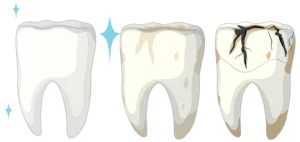

Children’s smiles light up our world—but keeping those smiles healthy takes a bit of care. One of the most common dental problems among children is a dental cavity, also known as tooth decay. While cavities may seem minor at first, if left untreated, they can lead to pain, infection, and even long-term damage to a child’s teeth. The good news? With the right understanding and timely care, dental cavities are completely preventable and treatable.
Understanding What a Dental Cavity Is
A dental cavity forms when the outer layer of the tooth, called enamel, gets damaged due to acid-producing bacteria. These bacteria feed on sugars and starches from food, creating acids that gradually erode tooth enamel. Over time, this process creates tiny holes or cavities in the teeth. Children are especially prone to cavities because their enamel is thinner and they may not have mastered proper brushing and flossing yet. Identifying cavities early ensures easier and more effective dental cavity treatment.Common Causes of Dental Cavities in Kids
Parents often ask, “What causes dental cavities?” The truth is, several everyday habits and conditions contribute to them. Here are some of the most common causes of dental cavities in children:-
Poor Oral Hygiene
Irregular or improper brushing and flossing allow plaque—a sticky film of bacteria—to build up on teeth. Plaque acids attack enamel, leading to a dental cavity. -
High Sugar Consumption
Frequent snacking on sugary treats, juices, and sodas is one of the main causes of dental cavities. When sugar stays on teeth for too long, bacteria convert it into harmful acids. -
Nighttime Milk or Formula Feeding
Putting a child to bed with a bottle of milk or juice exposes their teeth to sugar for extended hours, a leading factor in what causes dental cavities among toddlers. -
Dry Mouth or Lack of Saliva
Saliva helps wash away food particles and neutralize acids. Reduced saliva flow makes it easier for cavities to form. -
Deep Tooth Grooves or Weak Enamel
Some children have naturally deeper grooves in their molars or weaker enamel, which makes them more prone to dental cavity formation even with good oral hygiene.
Signs Your Child May Have a Dental Cavity
Early detection can make dental cavity treatment simple and less invasive. Watch for these signs:- Sensitivity to hot, cold, or sweet foods
- White, brown, or black spots on teeth
- Visible holes or pits
- Toothache or discomfort while chewing
- Bad breath or a lingering bad taste
Effective Dental Cavity Treatments for Kids
Once a dental cavity forms, it won’t heal on its own—but with timely dental cavity treatment, your child’s tooth can be restored to full health. Common treatments include:-
Fluoride Treatment
For very early-stage cavities, fluoride can help remineralize and strengthen enamel, reversing mild decay. -
Cavity Dental Filling
When decay has progressed slightly, the damaged portion of the tooth is cleaned out and restored with a cavity dental filling. Fillings can be tooth-colored, blending naturally with your child’s smile. -
Dental Crowns
For larger cavities or weaker teeth, dentists may recommend a crown to protect the tooth and restore its function. -
Pulp Therapy (Baby Root Canal)
If decay reaches the tooth’s pulp (the inner tissue), a baby root canal may be needed to save the tooth. -
Tooth Extraction
In severe cases where the tooth is beyond repair, extraction might be necessary—but this is usually the last resort after all dental cavity treatment options have been considered.
Preventing Dental Cavities in Children
While knowing the causes of dental cavities is important, prevention is even better. Here are a few tips to protect your child’s teeth:- Encourage brushing twice daily with fluoride toothpaste.
- Supervise brushing for children under 7.
- Limit sugary snacks and sticky foods.
- Offer water instead of sweetened drinks.
- Schedule regular dental check-ups every six months.
- Ask your dentist about fluoride varnish or sealants for added protection.
FAQs About Dental Cavities in Kids
-
What causes dental cavities in kids?
Cavities develop when bacteria in the mouth produce acid that erodes tooth enamel, especially in the presence of sugar and poor oral hygiene. -
How can I tell if my child has a dental cavity?
Watch for tooth sensitivity, pain, visible spots, or discoloration. Regular dental visits are key for early detection. -
Can a dental cavity heal on its own?
No, once enamel is lost, it can’t naturally regenerate. Professional dental cavity treatment is needed. -
What is a cavity dental filling?
A cavity dental filling involves cleaning the decayed area and filling it with a tooth-colored material to restore structure and function. -
How can I prevent dental cavities?
Brush twice a day, avoid excessive sugar, ensure regular dental visits, and use fluoride toothpaste. -
Is dental cavity treatment painful for kids?
Most treatments are painless, as dentists use numbing gels or local anesthesia to ensure comfort. -
How often should children see a dentist?
It’s best to visit every six months for preventive care and early detection of potential problems.