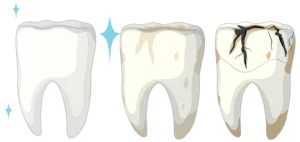

Gum health is often overlooked—until it’s too late. Many people focus on keeping their teeth clean and white but forget that healthy gums are just as crucial. Gum disease is one of the most common dental conditions, and if left untreated, it can lead to tooth loss, bone damage, and serious infections. Fortunately, with early detection and proper care, it can be prevented or managed effectively.
In this article, we’ll explore the early warning signs of gum disease, common gum disease symptoms, preventive tips, and modern gum disease treatment options available at Dr Kasabwala Multispeciality Dental Clinic.
What is Gum Disease?
Gum disease, also known as periodontal disease, is an infection of the tissues that hold your teeth in place. It is typically caused by poor oral hygiene that allows plaque—a sticky film of bacteria—to build up on the teeth and harden. Over time, this can lead to inflammation and infection in the gums. There are two main types of gum disease:- Gingivitis: The earliest and most common form. It causes red, swollen gums that may bleed during brushing.
- Periodontitis: A more serious form that can damage the soft tissue and bone supporting the teeth.
Early Gum Disease Symptoms to Watch For
Catching gum disease symptoms early can make a big difference in treatment success. Here are some signs to watch for:-
Bleeding Gums
If your gums bleed while brushing or flossing, this is often the first sign of gum disease. Don’t ignore it. -
Red or Swollen Gums
Healthy gums should be pink and firm. Inflammation, tenderness, or puffiness are clear gum disease symptoms. -
Bad Breath or Bad Taste
Persistent bad breath or a foul taste in your mouth can indicate bacterial buildup from gum disease. -
Receding Gums
If your teeth are starting to look longer, it may be because your gums are pulling away—a sign of progressing gum disease. -
Loose Teeth
As the disease advances, it can damage the bone and connective tissue, leading to tooth mobility or loss.
How to Prevent Gum Disease
Prevention is the best approach when it comes to maintaining gum health. Here's how to stay ahead of gum disease:1. Brush Twice a Day
Use a soft-bristled toothbrush and fluoride toothpaste to clean your teeth and gums. Replace your brush every 3–4 months.2. Floss Daily
Flossing removes food particles and plaque between teeth where a brush can't reach. It's one of the most effective ways to prevent gum disease.3. Use Antibacterial Mouthwash
A good mouthwash reduces bacteria and helps prevent plaque buildup.4. Avoid Tobacco
Smoking is a significant risk factor for gum disease. Quitting tobacco can improve your gum and overall oral health.5. Regular Dental Checkups
Visiting your dentist every 6 months for a professional cleaning can catch early signs of gum disease before it becomes serious. Preventing gum disease is often about consistency. The better your daily habits, the lower your risk.Gum Disease Treatment Options
When prevention isn’t enough, early diagnosis followed by proper gum disease treatment is critical. At Dr Kasabwala Multispeciality Dental Clinic, we offer a range of treatments tailored to each stage of the disease.1. Scaling and Root Planing
This deep cleaning removes plaque and tartar from below the gum line and smooths the root surfaces, promoting healing.2. Antibiotic Therapy
Antibiotics, either oral or topical, are used to reduce infection and inflammation in moderate gum disease cases.3. Laser Gum Treatment
Minimally invasive laser therapy targets infected tissue and promotes regeneration without the need for cutting or stitching.4. Surgical Options
For advanced cases, procedures like flap surgery or bone grafting may be necessary. These restore lost bone and support structures. Every gum disease treatment plan begins with a thorough examination and digital imaging to assess the condition's severity. Our personalized care ensures comfort, accuracy, and effective recovery.FAQs
-
Is gum disease reversible?
Gingivitis, the early stage of gum disease, is reversible with proper hygiene and care. Periodontitis requires professional gum disease treatment to manage. -
How often should I visit the dentist for gum health?
Ideally, every 6 months. But if you have gum disease symptoms, your dentist may recommend more frequent visits. -
Can I treat gum disease at home?
While good oral hygiene can prevent gum disease, once symptoms appear, professional gum disease treatment is necessary to stop progression. -
Is gum disease painful?
Early gum disease symptoms are often painless, which is why it can go unnoticed. Discomfort usually appears in advanced stages. -
Can children get gum disease?
Yes. Though less common, children and teens can develop gum disease, especially if they neglect oral hygiene or have orthodontic appliances.