As we step into 2026, many of us set resolutions focused on fitness, nutrition, or mental well-being. However, one important area that often gets overlooked is oral health. Your mouth plays a vital role in overall wellness, confidence, and daily comfort. A healthy smile not only enhances your appearance but also protects you from pain, infections, and long-term health complications.
The New Year is the perfect time to reflect on your dental habits and set achievable goals that support lifelong oral health and hygiene. Whether you are dealing with cavities, gum issues, or simply want a brighter smile, small consistent changes can make a big difference.
Why Oral Health Should Be a Priority in 2026
Oral health is closely linked to overall physical health. Poor dental care can lead to issues such as gum disease, tooth loss, bad breath, and even systemic problems like heart disease and diabetes. Maintaining good oral health and hygiene helps prevent bacteria buildup that can enter the bloodstream and affect other organs. In today’s fast-paced lifestyle, irregular brushing, frequent snacking, and delayed dental visits are common. Making oral health a priority in 2026 means committing to daily habits and professional care that protect your teeth and gums for the long term.Set Realistic Oral Health Goals for the New Year
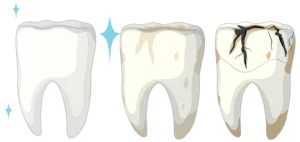
Setting achievable goals is key to lasting success. Instead of drastic changes, focus on simple steps that improve oral health and hygiene gradually. Start by committing to brushing twice a day with fluoride toothpaste and flossing at least once daily. Many people skip flossing, yet it plays a crucial role in removing plaque from areas a toothbrush cannot reach. Consistency is the foundation of strong oral health. Another important goal is to limit sugary foods and acidic beverages. These contribute to tooth decay and enamel erosion, affecting your oral health over time. Replacing sugary snacks with fruits, nuts, or dairy products can significantly reduce dental risks.Importance of Regular Dental Check-ups
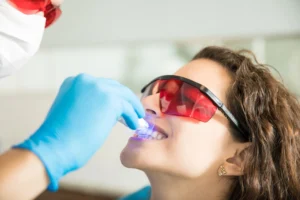
One of the most effective ways to maintain oral health and hygiene is scheduling routine dental visits. Professional cleanings remove hardened plaque and tartar that brushing alone cannot eliminate. Regular check-ups also help detect cavities, gum disease, or alignment issues early. Many dental problems progress silently without pain. By the time discomfort appears, treatment may become more complex. Preventive care ensures your oral health remains stable throughout the year and reduces the likelihood of emergencies.Upgrade Your Daily Dental Routine
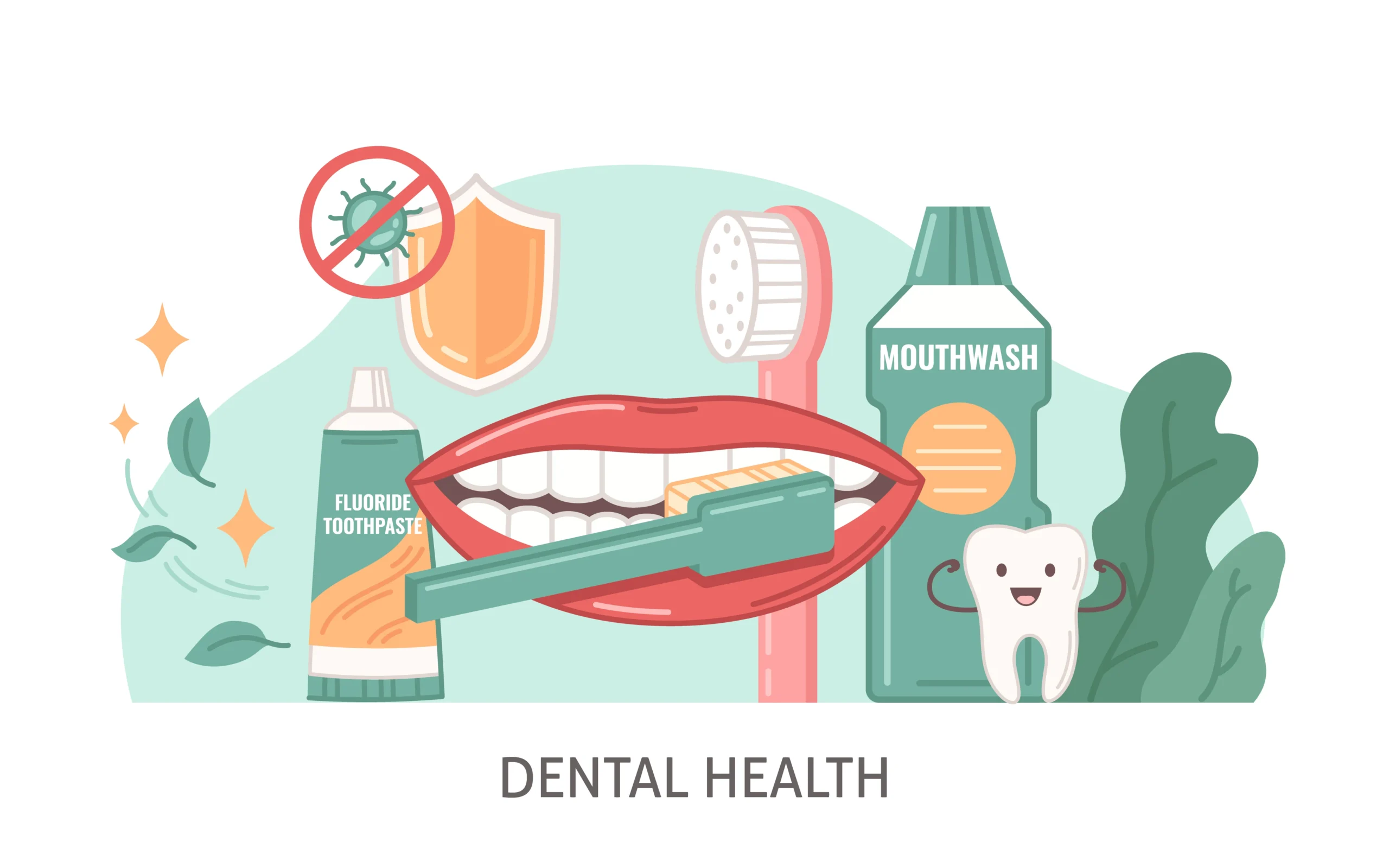
The New Year is a great time to reassess your daily dental routine. Using the right tools can elevate your oral health and hygiene significantly. Consider switching to a soft-bristled toothbrush or an electric toothbrush for more effective plaque removal. Mouthwash can also be a helpful addition, especially one recommended by your dentist. It helps reduce bacteria, freshens breath, and supports gum health. These simple oral health tips can enhance your routine without adding much effort. Tongue cleaning is another often-ignored habit. Bacteria on the tongue can cause bad breath and affect oral health. Gently cleaning your tongue daily can make a noticeable difference.Address Existing Dental Issues Without Delay
If you have been postponing treatment for cavities, gum bleeding, or misaligned teeth, 2026 is the year to take action. Ignoring dental problems can worsen oral health and lead to pain, infections, or tooth loss. Modern dentistry offers comfortable and effective solutions for almost every concern. From fillings and root canal treatments to cosmetic procedures, addressing issues early protects your oral health and restores confidence in your smile.Teach Oral Health Habits to the Whole Family
Good oral health and hygiene should start early. Encouraging children to brush, floss, and visit the dentist regularly helps build lifelong habits. Adults, too, benefit from reinforcing these practices at home. Make dental care a family routine rather than a chore. Shared habits, such as brushing together or scheduling group dental visits, promote accountability and improve overall oral health for everyone.Simple Oral Health Tips to Follow Throughout the Year
Sustainable dental care is about consistency, not perfection. Drinking plenty of water helps wash away food particles and supports saliva production, which naturally protects teeth. Avoid using teeth as tools for opening packages or biting hard objects. Stress management also plays a role, as stress-related habits like teeth grinding can harm oral health. Wearing a night guard, if recommended, can prevent enamel damage and jaw pain. These practical oral health tips are easy to incorporate into daily life and help maintain strong teeth and gums year-round.Looking Ahead: A Healthier Smile in 2026
Committing to oral health in the New Year is an investment in your comfort, confidence, and overall well-being. With consistent care, regular dental visits, and mindful habits, you can enjoy a healthier smile throughout 2026 and beyond. Small steps taken today can lead to long-term benefits for your oral health and hygiene. Make this the year you truly prioritize your smile.Frequently Asked Questions:
-
How often should I visit the dentist in a year?
Most individuals should visit the dentist every six months to maintain good oral health and hygiene and detect issues early. -
Is flossing really necessary if I brush daily?
Yes, flossing removes plaque and food particles from between teeth, which brushing alone cannot reach, supporting better oral health. -
Can poor oral health affect my overall health?
Yes, poor oral health has been linked to conditions such as heart disease, diabetes, and respiratory infections. -
What are the early signs of gum disease?
Common signs include bleeding gums, bad breath, gum swelling, and tooth sensitivity. -
Are electric toothbrushes better than manual ones?
Electric toothbrushes can be more effective at plaque removal when used correctly, improving oral health and hygiene. -
How can I prevent cavities naturally?
Brushing twice daily, flossing, limiting sugar intake, drinking water, and following dentist-recommended oral health tips help prevent cavities.